
"Latin America coffee exports"
200 article(s) found

Tarasu Latin American coffee Costa Rican coffee the mountains of central Costa Rica
Make a cup of Costa Rican coffee, pour it into the cup and taste it carefully, then you can appreciate its unique fragrance and rich flavor. The soft, moderate sour taste and rich aroma make the final rhyme reverberate in the throat for a long time, unforgettable. It has even been commented that some of the flavors of Costa Rican coffee are very similar to those of Kona and the Blue Mountains of Jamaica. Costa Rica's coffee industry was originally made up of

Latin American Coffee Story the flavor characteristics of Latin American coffee how to drink Latin American coffee
Professional coffee knowledge exchange more information about coffee beans Please follow the coffee workshop (Wechat official account cafe_style) Coffee tree is a genus of Rubiaceae in botany. Coffee trees are native to subtropical Africa and some islands in southern Asia. In the 16th and 17th centuries, coffee was introduced into Europe through the merchants of Venice and the Dutch hegemony of the sea.

Introduction to the Variety characteristics of Santa Rita Coffee Bean Flavor description in Colombia
Columbia Santa Rita Coffee Bean Flavor description method Variety characteristics in producing areas Coffee also needs daylight and proper shade, which is most suitable for planting on fertile soil or volcanic ash soil. Therefore, the origin of coffee is widely distributed in South America, Central America, the West Indies, Asia, Africa, Arabia, the South Pacific and Oceania. Such as Ethiopia and Tanzania in Africa

American coffee beans Costa Rica Tarasu Latin American coffee seal flavor characteristics Introduction
Flavor and taste characteristics: full particles, ideal acidity, unique and intense aroma. Costa Rica lies between the Pacific Ocean and the Atlantic Ocean, bordered by Nicaragua to the south and Panama to the north. Flowers bloom and butterflies fly all year round. The coffee beans it produces are famous for their mild taste, high acidity, aroma and rich texture, which are highly favored by coffee tasters. is said

Introduction to the method of Grinding scale treatment for the Flavor description of Maraka Dula coffee beans in Nicaragua
Because of the national character of the Latin American people, it is difficult for foreign buyers to do business with the Latin people directly. The Latin people do not attach importance to credit, do things too casually, the quality of shipments is uncertain, and the products exported are also mixed with sundries. But Latin America actually does have a good growing environment suitable for growing agricultural products all over the world, so we came to Nicaragua.

High quality Coffee beans from Santa Rita Manor, Colombia, Grinding degree and Baking degree treatment method Jane
Just as only wine produced in the champagne region of France can be called champagne, only coffee produced in Colombia and picked by hand can be called Colombian coffee. Colombian coffee is one of the few original coffee sold in the world under the name of the country. In terms of quality, it has won praise unmatched by other coffee. Today, Colombia is the third largest coffee producer in the world.

Columbia Tarasu Latin American coffee with the name of extra hard beans.
Tarasu in Costa Rica is one of the major coffee producers in the world. The coffee is light and pure in flavor and pleasant in aroma. Tarasu Latin America his coffee is a famous local product, but the production is limited, about 72600 kilograms a year, it is grown on a piece of land called Latin America. In fact, this land can produce more than 450 tons of coffee a year. But the species of Tarasu Latin American coffee

Latin American coffee growing region
Pay attention to coffee reviews (Weixin Official Accounts vdailycom ) and find a beautiful cafe to open its own shop. Famous coffee producing countries in Latin America: Costa Rica, Mexico, Jamaica, Colombia, Brazil, Guatemala. Latin America 1. Guatemala well-known representative coffee: Antigua, Huehuetenango dangerous

What are the varieties of coffee in sour Latin America? flavor description taste treatment manor production area
What kind of coffee varieties are there in Latin America? taste treatment method introduces the flavor characteristics of the manor: sweet in acid, low in bitterness, rich in nutrition, unique sour and mellow Colombian coffee is one of the few coffee named after the country in the world. it is also one of the most famous coffee in the world. Colombia is located in the northwest of South America. Coffee is the main source of coffee for the people of this country.

Coffee flavor of Tianqi Manor in Matagalpa, Nicaragua, central Central America.
When tasting Nicaraguan coffee, it is best to drink cold water first, so that you can better feel its mellow taste. Drink coffee while it is hot, because the tannins in Nicaraguan coffee are easy to change during cooling, and the taste becomes sour, which will affect the flavor of the coffee. You can add the right amount of sugar, and then add cream. Enjoy a cup of high quality Niga

Bolivia is one of the poorest countries in Latin America, bordering Brazil and Colombia
Professional coffee knowledge exchange More coffee bean information Please pay attention to coffee workshop (Weixin Official Accounts cafe_style) If you want to find such a romantic, beautiful, remote and dangerous dream territory in many coffee producing areas, it is Bolivia! Bolivia, one of the poorest countries in Latin America, is a landlocked country bordering Brazil and Colombia. although it is a

Characteristics of coffee bean varieties in three major coffee producing areas of Latin America
Professional coffee knowledge exchange more coffee bean information please follow the coffee workshop (Wechat official account cafe_style) appreciation of coffee trees from various coffee bean producing areas of the world is a genus of Rubiaceae in botany. Coffee trees are native to subtropical Africa and some islands in southern Asia. In the 16th and 17th centuries, through the merchants of Venice and maritime hegemony

Tea tree essential oil-scented lemon tree manor boutique coffee bean cultivation geographical location, climate, altitude is simple
Because of the national character of the Latin American people, it is difficult for foreign buyers to do business with the Latin people directly. The Latin people do not attach importance to credit, do things too casually, the quality of shipments is uncertain, and the products exported are also mixed with sundries. But Latin America actually does have a good growing environment suitable for growing agricultural products all over the world, so we came to Nicaragua.

A brief introduction to the treatment method of Grinding degree and Baking degree of Fine Coffee beans in Lemon Manor
Because of the national character of the Latin American people, it is difficult for foreign buyers to do business with the Latin people directly. The Latin people do not attach importance to credit, do things too casually, the quality of shipments is uncertain, and the products exported are also mixed with sundries. But Latin America actually does have a good growing environment suitable for growing agricultural products all over the world, so we came to Nicaragua.

Colombia will become the third largest coffee exporter
According to the Cuban Latin American news agency Bogota on November 20, affected by torrential rains, Indonesian coffee production fell seriously, with exports reduced by 900000 bags, making Colombia the third largest coffee exporter in the world. It is reported that Colombia produces 11.5 million bags of coffee, second only to Brazil (53.7 million bags) and Vietnam (29 million bags). As a result of plant disease in Central America, there are now 5. 5%.
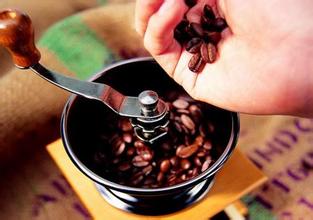
Boutique Coffee beans: history and details of Coffee beans in Latin America
The cultivation and production of coffee in the 17th century has always been monopolized by Arabs and is of great value in Europe. Only the upper echelons of Europe can drink coffee. Until 1690, a Dutch captain sailed to Yemen, got some coffee seedlings and began to plant successfully in Dutch India (present-day Indonesia). In 1727, the wife of a diplomat in Dutch Guiana gave some coffee seeds to her.

Costa Rica Tara Sulamita Coffee with full grains and ideal acidity
Tarasu, Costa Rica, is one of the world's leading coffee producers, producing coffee flavor pure light, pleasant aroma. Tarasulamita's coffee is locally famous, but the production is limited, about 72600 kilograms per year, and it is grown on a piece of land called Latin America. In fact, the land produces more than 450 tons of coffee per year. But Tarasu Latin America, the kind of coffee he makes,

A brief introduction to the Market Price of Fine Coffee Bean varieties in Lemon Manor with the aroma of Tea Tree essential Oil
Because of the national character of the Latin American people, it is difficult for foreign buyers to do business with the Latin people directly. The Latin people do not attach importance to credit, do things too casually, the quality of shipments is uncertain, and the products exported are also mixed with sundries. But Latin America actually does have a good growing environment suitable for growing agricultural products all over the world, so we came to Nicaragua.

Costa Rican Coffee Tarasu Latin American Coffee A brief introduction to Fine Coffee in Fire Phoenix Manor
Costa Rica, with a population of only 3.5 million, has 400 million coffee trees, and coffee exports account for 25 per cent of the country's total exports. Costa Rica has also benefited from the establishment of the Central American Institute for Agricultural Research (TurrialbaoftheCentralAmericanAgriculturalResearchInstitute, referred to as IAAC) in Tarasu, which is an important international research centre. Gostad

Latin American coffee rookie boutique coffee beans Salvadoran coffee
El Salvador, a name that may not be very familiar to coffee lovers, is beginning to emerge quietly in the world of boutique coffee (Specialty Cxxx). El Salvador, a beautiful small country with volcanoes, is the smallest country in Central America, with an area of only more than 20, 000 square kilometers and a population of 5.6 million.